Our Craft
Three decades of learning to listen to wood

How We Started
In 1987, I inherited a workshop and a single question: what do you do with furniture too damaged to sell but too beautiful to discard?
The answer took years to discover. I apprenticed under a retiring craftsman who'd learned his trade in the 1950s. He taught me that every wood species has a personality, every joint a logic.
Our workshop still uses some of the same tools from that era. Not out of nostalgia—because they work better than their modern equivalents.
What Guides Our Work
We believe furniture restoration is conservation work. Our goal isn't to make a piece look new—it's to stabilize what exists and prepare it for another century of use.
That means making difficult choices. Sometimes the "right" restoration is minimal intervention. Sometimes it requires rebuilding an entire frame. The wood tells us what it needs.
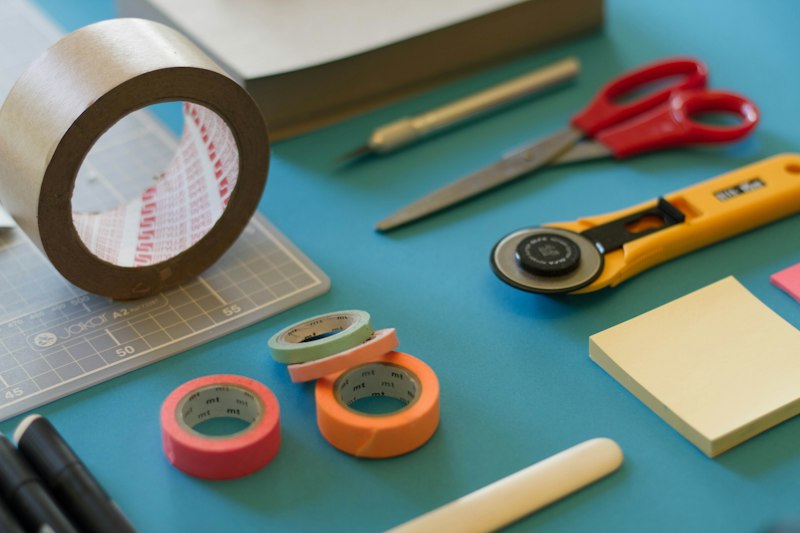
We document everything. Every client receives a condition report before we begin and a conservation record when we finish. Future restorers will know exactly what we did and why.
Our Principles
Reversibility
Every intervention we make can be undone by future conservators. We use traditional adhesives and joinery methods that don't permanently alter the original material.
Authenticity
We never "improve" a piece beyond its original design. Period-correct materials, techniques, and finishes are non-negotiable standards in our workshop.
Transparency
You'll know exactly what we're doing and why. No hidden processes, no proprietary secrets. Just honest craftsmanship documented at every stage.
Who Does The Work
Our team includes three master restorers, each with over twenty years of experience. One specializes in structural work and joinery. Another focuses on surface treatments and finishing. The third handles upholstery and textiles.
We don't rush apprentices. Training someone to work at our standard takes five to seven years. Currently, we have two apprentices learning the trade properly—the slow way, the right way.
Every project is reviewed by at least two restorers before and after work begins. This catches problems early and ensures we're making the best decisions for each piece.
By The Numbers
- 37 years in operation
- Over 2,400 pieces restored
- 5 restorers on staff
- 100% client satisfaction rate
Inside The Workshop
We maintain humidity control year-round. Wood moves with moisture levels, and proper acclimatization prevents future problems.
Our finishing room is isolated from dust. French polishing requires pristine conditions—a single fiber can ruin hours of work.
We keep an archive of wood samples dating back decades. When we need to match a rare species or grain pattern, we often have material on hand that's impossible to source commercially.
Start Your Restoration Project
Whether you have a single chair or an entire dining set, we'd like to hear about it.
View Our Services